
What Is Food Courier Insurance? – What Kind Of An Insurance Plan Do You Need?
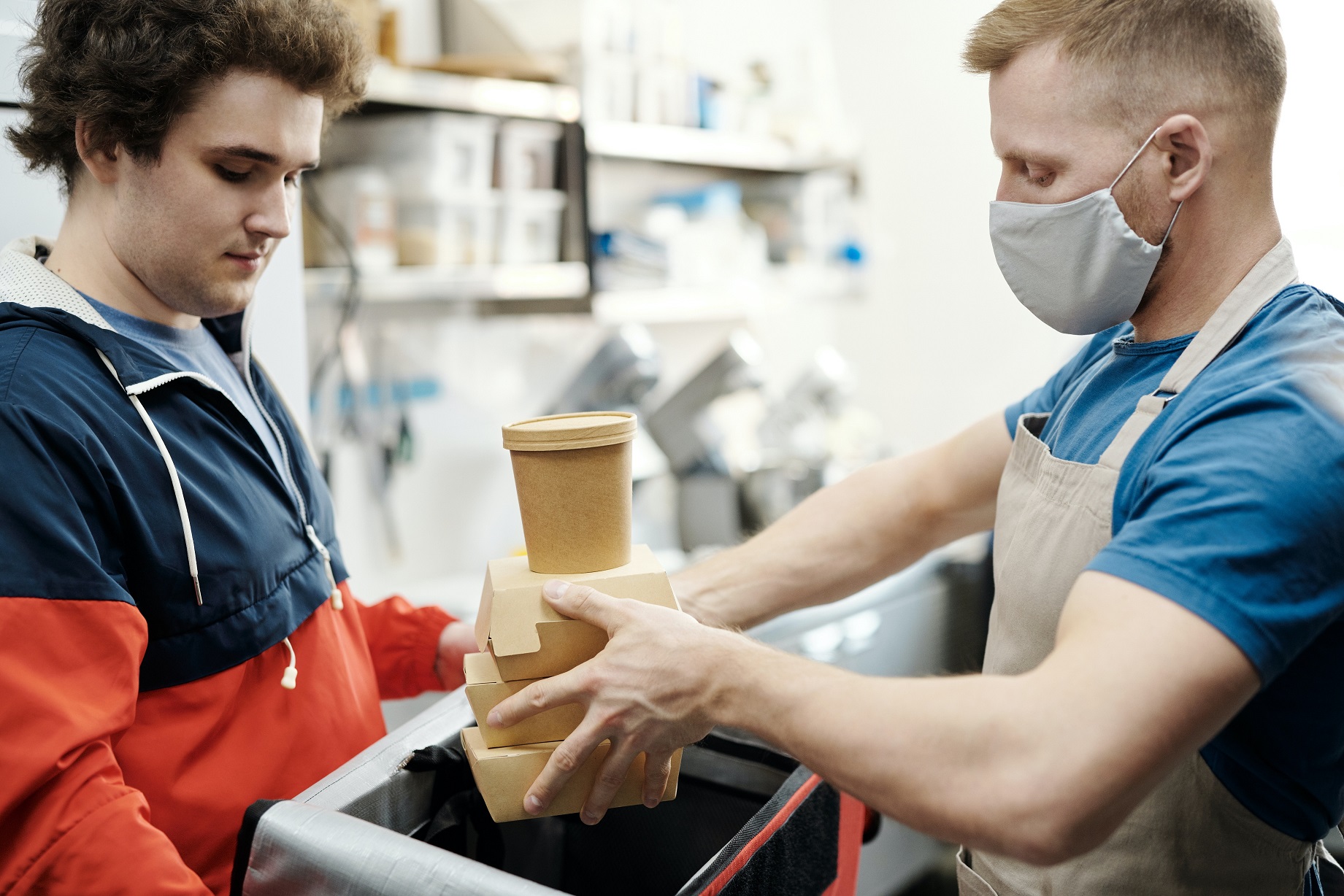 All over the globe, food delivery has been booming for a few years – and the UK is no exception. We can expect the demand to keep soaring. And with food delivery services being so popular, many people are interested in starting a career as a food delivery driver, too.
For takeaway delivery companies, ensuring that their business and food delivery drivers are protected is a must. That’s where this thing called “fast food delivery insurance” comes in as an addition to your car insurance, which doesn’t cover this type of business uses.
Since some – if not all – of the costs of having a car insurance policy will fall on the delivery drivers, it’s principal for you only to pay for what you need. So, continue scrolling to find out what is food courier insurance – or car insurance for delivering food – and how you can get it!
What Is Food Courier Insurance?
 First off, it’s worth noting that food deliveries or takeaway are something virtually every person in the United Kingdom will likely seek at least a few times a month. The UK’s named the “takeout nation” for a reason, after all.
Consequently, that’s why there are so many companies that deliver food – and the business only seems to be growing.
Couriers working deliveries must be protected from various things while working – for example, being involved in an accident. That’s why they need food courier/delivery driver insurance:
To limit the liability of the company and themselves.
Customized policies set up with insurance providers work the best because they offer good coverage of your damages – along with vehicle insurance. The food courier insurance, also called fast-food delivery insurance, is a business insurance policy specifically created for the fast-food industry.
This type of fast food delivery insurance is an insurance policy created to protect the delivery industry and the worker when delivering items to the client. It’s vital to note that this is not standard car insurance – as it covers the personal car or the company vehicle and the items being delivered, or more specifically, the cost of food you need to deliver.
Do All Couriers Need Fast Food Delivery Insurance?
 In theory, yes – and every courier should get food delivery car insurance to stay protected while doing takeaway delivery. The issue at hand is that many people don’t realize that they’re not protected with their regular insurance – especially if they’re using their personal vehicle to do food deliveries.
Why?
Well, it counts as an additional risk because it’s viewed as “time-dependent.”
If an accident does happen, you could find yourself without any protection, taking full liability and the accompanying cost for the accident. That’s why you need to have the right level of insurance – and the right type of insurance. It’s the only way to ensure full protection.
Courier insurance goes beyond the “Social, Domestic, and Pleasure” aspects of private car insurance and includes the events that take place when using the vehicle as a fast-food delivery car. On that note, the takeaway delivery insurance can cover other vehicles, such as electric bikes, motorcycles, bicycles, scooters, and vans used to perform a delivery service.
What Type Of Delivery Car Insurance Policies Are There?
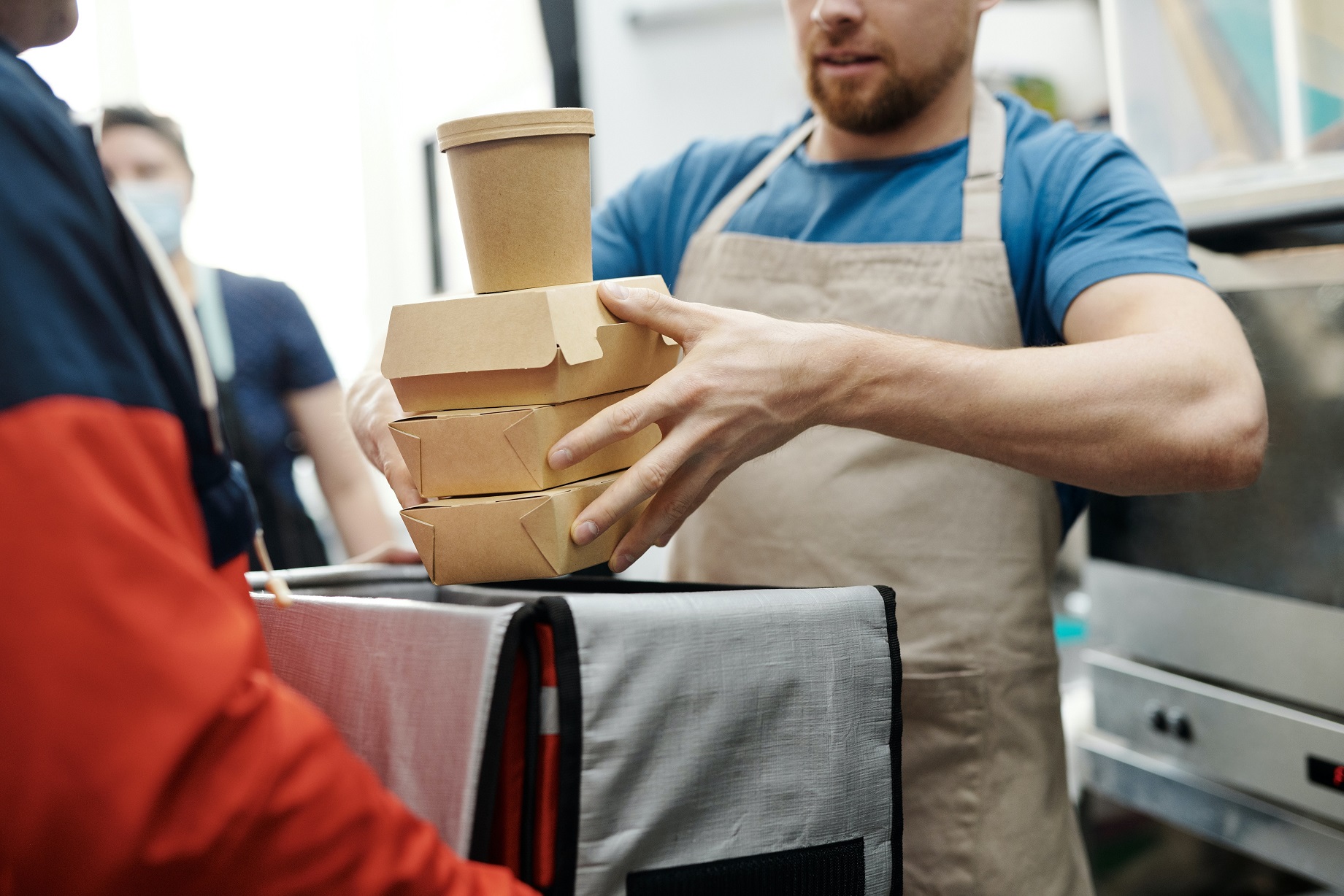 If you contact a number of specialist insurance providers authorised and regulated by the Financial Conduct Authority and registered in England and Wales, you’ll probably be surprised at the insurance quotes you might be expected to pay. Many are way too expensive for drivers and can consume a large portion of the money earned – making them unreasonable.
That’s why you shouldn’t opt for the first insurance policy you find. Rather, take your time to compare fast food delivery insurance policies and get a quote from every company before you settle for one.
Remember, staying covered at all times will not only limit your liability but will save you money in the event of an accident.
There are different types of insurance coverage in the United Kingdom – so, let’s compare:
The most popular option out of all insurance quotes is the “pay as you go” form of insurance.
It provides good coverage, and you pay the insurance cost during the business hours only – as in, when you work – using the balance you paid in advance at the registered office. The “pay as you go” coverage is comprehensive and offers delivery cover, third party, fire, and theft. The only flaw of this type of business insurance is that it doesn’t cover personal use. So, you’ll still need to have regular insurance for your vehicle.
Then, you have the 30-day delivery business insurance, which covers the delivery costs, third party, fire, and theft. It provides comprehensive protection, and personal use is covered, as well. It’s paid up-front, month to month.
Lastly, we have the annual insurance policy, which can be paid upfront or in monthly installments. It covers everything from business to personal use, and all you need is to pick out a type of coverage and your vehicle registration number to get your policy!
What’s The Average Cost Of Fast Food Courier Insurance In The UK?
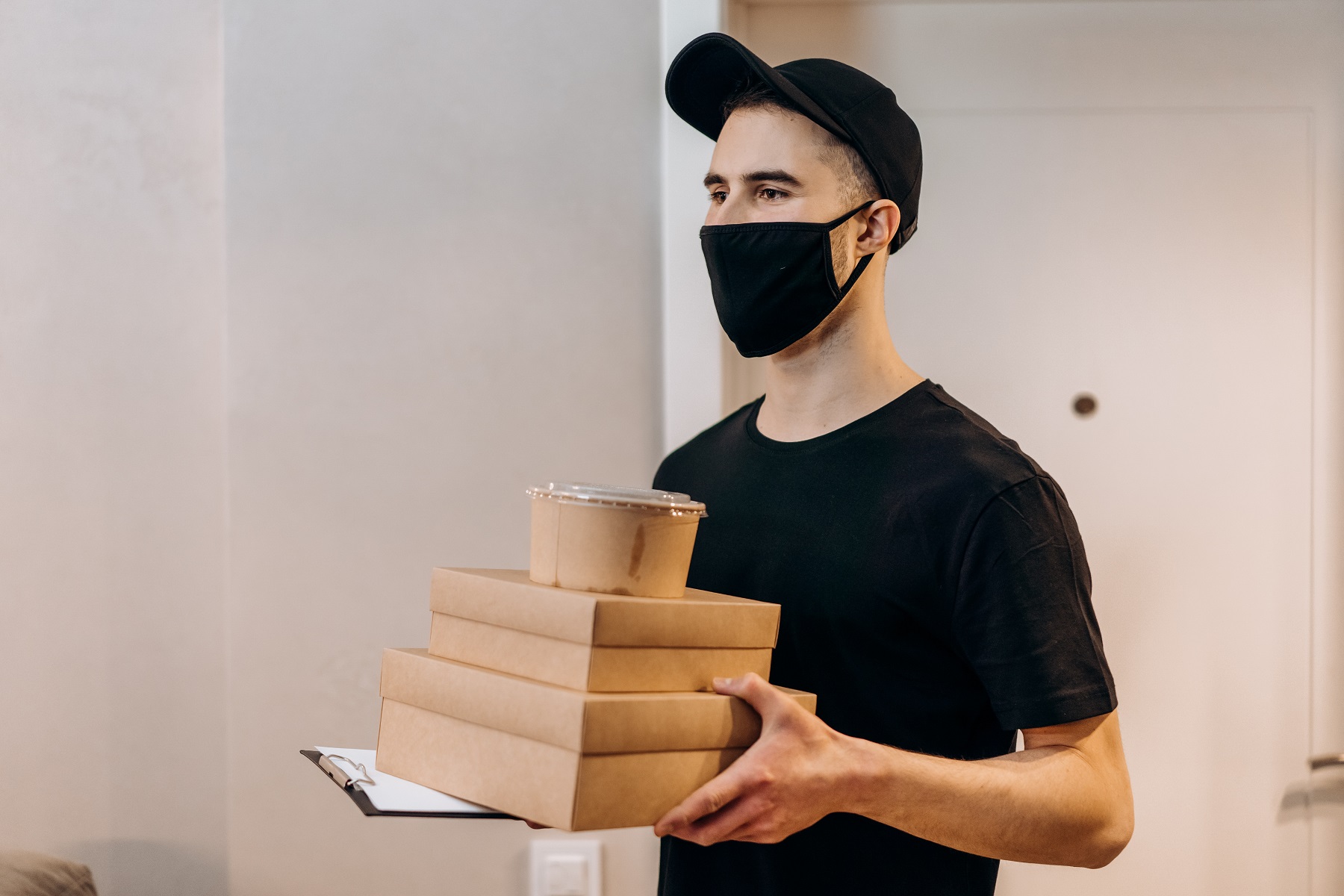 The range for commercial vehicles goes from £700 to £1200 per year. And since courier food delivery vehicles fall into the category of commercial vehicles, these costs apply to them, too. Add-ons to your policy will generally cost an additional £75 to £250 per add-on.
The age, size, and value of your vehicle, your driving record, and the areas where you’ll be working as a food courier could all affect your costs.
What Is Food Courier Insurance – The Take-Away
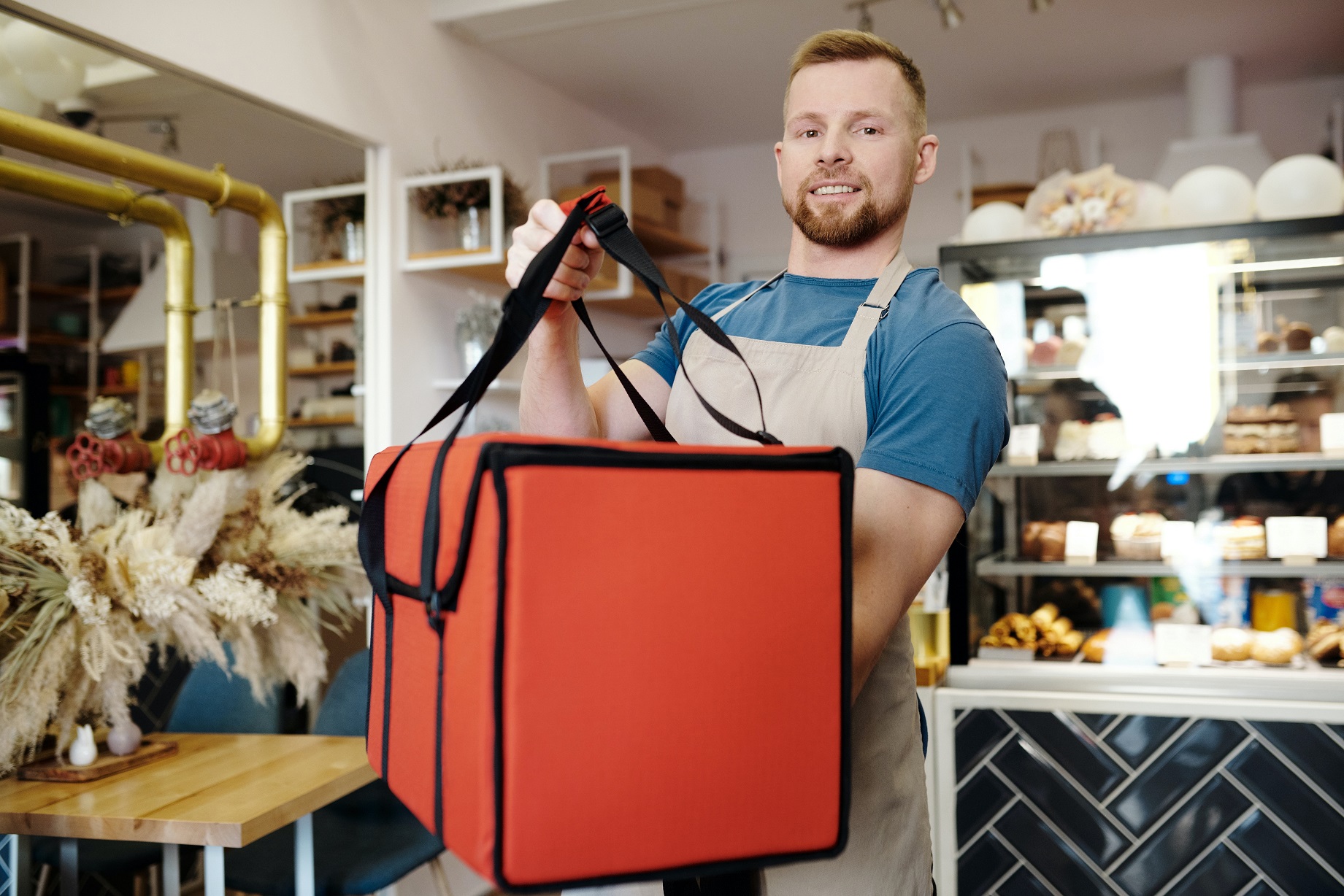 To conclude, getting a takeaway vehicle insurance cover will save you money in the long run. Accidents happen when you least expect them – and that’s why you need proper coverage that will protect your business vehicle.
There are many insurance coverage plans out there, though, and not all are affordable; we recommend that you compare quotes online before making your choice. The rest is easy – you can even apply via an online form and get your food delivery insurance!
Whether you run a taco truck or a Michelin 5-star
restaurant, delivering quality eats to your customers is of the utmost
importance. The experience your establishment provides may also be why your
clientele gives their patronage. So ambiance, mood, and location are just a few
of the other factors that can be difference-makers for why people choose to
satiate their palates at your restaurant business over others.
In the restaurant industry, reputation is everything, so
protecting your public perception is a key element to your success. One of the
best ways to keep those positive Yelp and Facebook reviews of your restaurant coming is by having food vendor insurance—or food liability insurance. Here we’ll explore the food
insurance landscape so you can make informed decisions as to which types are
most applicable to your business.
What is food liability
insurance?
Part of the day-to-day operations of running a bakery, coffee shop, restaurant, or other food entity
is preparing for the unexpected.
Food liability insurance takes your
precautionary prep to a whole new level by providing you with a slew of
protections from unforeseen accidents and events.
But there’s a significant distinction between insuring
the day-to-day operations of your food-serving establishment and insuring the physical
space of your restaurant. The two most popular policies that
address each are general liability insurance and commercial property insurance.
·
General Liability Insurance: Suppose a customer slips and falls on a wet floor, or one
of your restaurant
employees suffers an injury on the job. Perhaps a
customer contracts food poisoning as a result of consuming expired meat at your
restaurant. General liability insurance protects you from lawsuits resulting
from such unfortunate circumstances and can shield your business and reputation
from unnecessary harm. The policy can also cover you in the event of unplanned
medical expenses and other damages you may be responsible for resulting from
your business activities. Another attractive element provided by general liability
insurance is accidental advertising injury protection. Suppose you mistakenly
use a competitor’s advertising slogan or are accused of libel or slander.
Accidental advertising protection has you covered under general liability
insurance if you choose to exercise the option.
·
Commercial Property Insurance: This policy is more for protecting your business property
in the event of physical damages to your restaurant and protects your
business’s physical assets like furniture and equipment. Commercial property
insurance also covers you if your business suffers property damage due to
arson, vandalism, or another covered event.
For maximum protection, many restaurateurs opt to purchase
both general liability insurance and commercial property insurance together,
which—when combined—is known as a Business Owner’s Policy or BOP.
How much does food
liability insurance cost?
The cost of food liability coverage depends upon several
factors. Chief among them is the type of food service business you’re
operating. If you own and operate fleets of food trucks and food trailers, your
day-to-day risks will be significantly higher than if you manage a group of
private chefs. Whether you run your local farmers’ market or flip sausages on food carts
outside of nightclubs, the cost of your food insurance policy is mainly driven
by the size and scope of the food business you’re running. The larger the
enterprise, the more expensive your insurance policy.
It’s also important to consider the type of insurance
coverage you’re pricing up. Some policies charge more for including other types
of insurance that are not relevant to your food-based small business, so it’s
essential to have a thorough understanding of what aspects of your business you
want to be insured and why. This way, you’re taking the necessary steps not
just to purchase any coverage, but the right coverage.
Another factor impacting
the cost of your food liability insurance is the location of your food venture.
An established restaurant in a wealthy part of town is subject to different and
potentially lower risks than a food vendor flipping burgers at a music
festival, where the chance of foodborne illness rises exponentially.
For most small
businesses, food liability insurance will cost anywhere from $300 to $1,300
annually, with costs increasing the more coverage you desire. To keep your
costs low, only pay for what you need. If you’re a one-person lemonade stand
that sources lemons from your backyard, it doesn’t make sense for you to
purchase inland marine insurance or commercial property insurance since those
policies would cover you beyond your insurance needs.
Other factors
influencing the cost of food liability insurance include:
·
Deductibles: As a
general rule, the higher the deductible you pay for insurance, the lower your
premium will be. Factoring in if you can pay the deductible in a “worst-case
scenario” is something you should consider before locking in your policy.
·
Employees: Having
a large number of employees will cost more than having one or two. More workers
means higher premiums.
·
Value of property: The greater the number of physical assets your company
has, the higher your insurance costs will be.
·
Claims history: If you
have previous food insurance claims on your record, your current insurance costs
may be higher because you may be viewed as a riskier policyholder.
·
Frequency of food-related events
Any company that’s in the business of selling food to the
general public will need to purchase food vendor insurance. The spectrum of
companies categorized as food sellers ranges from established restaurants
to food trucks to chefs to catering and concessions companies.
Restaurants or food trucks engaging in one-off mobile
events require food vendor insurance even if they’re only running a pop-up or
for one day. It’s imperative to have a thorough understanding of the rules and
regulations of the venue your business is operating out of since different
venues possess different insurance requirements. Special endorsements or
add-ons to insurance policies may be required—such as a Certificate of Insurance—since not all policies cover mobile
operations in their basic form.
What other insurance
coverages do I need for my restaurant or catering business?
Each restaurant, bakery, coffee shop, or catering business is different, and different
insurance policies exist to cover their unique needs. The following are other
popular coverage options that restaurateurs use to run their businesses
successfully:
·
Commercial Auto Insurance: If you use a vehicle for your food-based business,
transporting food or food-related equipment, this policy will protect you from
damages arising from a car accident such as bodily injury or other
vehicle-related mishaps.
·
Utility and Spoilage Insurance: This policy provides coverage to your restaurant if your
utility services malfunction and cause you to incur inventory losses or damages.
·
Cyber Insurance: For
restaurants that store customer data or accept credit cards as payment for
goods and services, cyber insurance offers protection against any potential
data breach where customers’ private information could be at risk of being
exposed.
·
Workers’ Compensation Insurance: Worker’s compensation insurance covers restaurant
employees’ lost wages and medical expenses should they become injured on the
job and is a requirement for most businesses with employees. Workers’
compensation laws vary by state, so be sure to check your state’s workers’
compensation law requirements before purchasing a policy.
·
Host Liquor Liability Insurance: If you’re in the beverage business or
your establishment sells alcohol, having host liquor liability insurance will
cover you in the event patrons become intoxicated and cause injury or harm to
themselves or someone else. This policy also covers you for broken or damaged
property caused by intoxicated patrons.
·
Equipment Breakdown Insurance: If you experience mechanical issues with any of the
food-related gear in your establishment, equipment breakdown insurance—or
boiler and machine insurance—has you covered. These policies protect everything
from malfunctioning computers to replacement costs of refrigerators, boilers,
pressure systems, and other electrical and non-electrical equipment.
·
Business Income Insurance: Business income insurance helps you pay your expenses and
cover your payroll if an unforeseen circumstance—such as a natural
disaster—renders your restaurant or food service unworkable.
If your restaurant business could benefit from one or all
of the above policies, they can be included in a restaurant endorsement to a Business Owner’s Policy.
How to get food vendor
and restaurant insurance with Huckleberry
There are various business insurance products available to you that
can help keep your food venture running smoothly. While there are many
insurance providers, not all providers or insurance companies have your best
interests at heart. Some are more profit-driven and will knowingly juice up
your insurance quote, while others lack the credibility and knowledge to
deliver quality policies. If you’re looking for a brand name,
you can trust and choose Huckleberry for policies that have your
back.
Huckleberry provides you with a
one-stop shop for all of your food insurance needs. In less time than it takes to
cook an egg, you can receive a free quote on all types of insurance pertaining
to your food or restaurant endeavor, helping you secure the policies most
pertinent to your business, so you can spend more time delivering quality eats
with the peace of mind that you’re protected.

Thanks for reading What Is Food Courier Insurance?
« Prev Post
Next Post »